Imagine a bustling marketplace, where each stall represents a different region of the world, each with its unique demographic trends. With the global population nearing 3.18 billion, stark contrasts emerge: developing nations thrive with high fertility rates, while developed countries grapple with aging populations. These disparities are more than mere statistics; they influence healthcare, infrastructure, and migration policies. What does this mean for our future, and how will these dynamics shape our communities?
Global Population Trends and Projections
As global populations continue to rise, understanding trends and projections becomes crucial for policymakers and researchers alike.
Population growth is significantly influenced by fertility rates, which vary across regions. High fertility rates in developing nations contribute to rapid population increases, while declining rates in developed countries pose challenges.
Analyzing these dynamics helps you anticipate future demographic shifts and their potential impacts on society.
Age Distribution and Its Implications
Age distribution plays a critical role in shaping societal structures and economic conditions across the globe.
Understanding age demographics helps you recognize the need for age-related policies that address the unique challenges and opportunities of different age groups.
For instance, a growing elderly population may necessitate enhanced healthcare services, while a youthful demographic could drive innovation and workforce development.
Urbanization Patterns and Challenges
Population dynamics, particularly age distribution, influence urbanization trends worldwide.
As cities grow through urban expansion, you face significant infrastructure challenges. Aging populations may require different services, while younger demographics often drive demand for housing and transportation.
Balancing these needs is crucial for sustainable development. Adapting infrastructure to accommodate diverse age groups ensures urban areas remain vibrant and functional for everyone.
Migration Dynamics and Their Effects
While migration significantly shapes demographic landscapes, it also brings complex challenges and opportunities for urban areas.
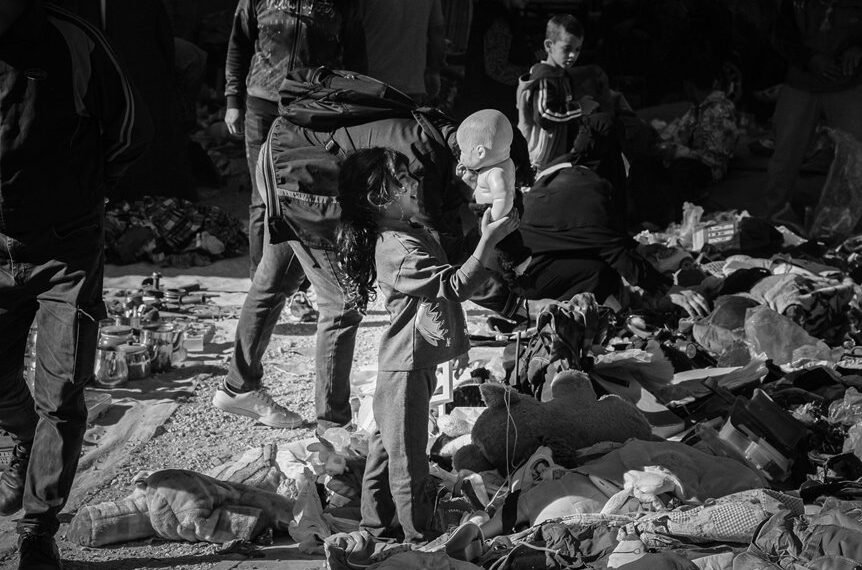
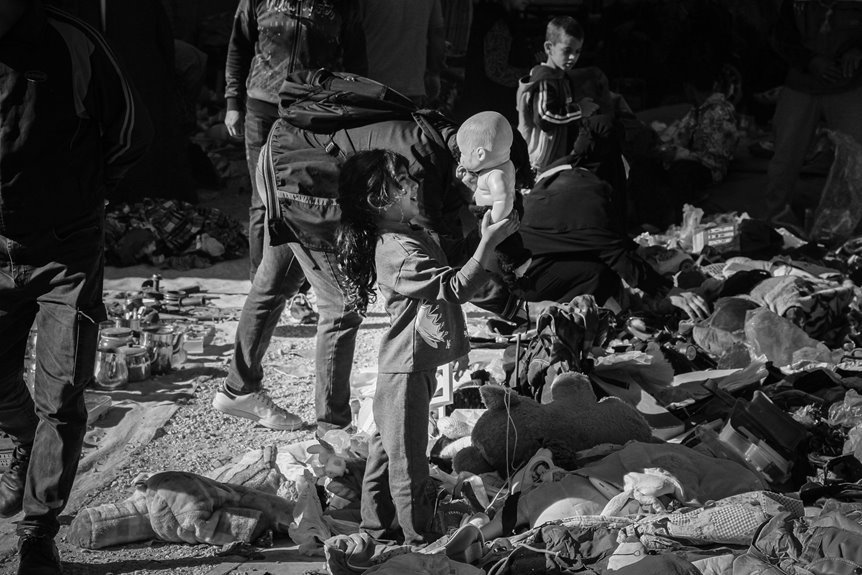
Effective migration policies are essential for managing influxes, particularly regarding refugee integration. You’ll find that cities embracing diverse populations often experience economic growth and cultural enrichment.
However, without strategic planning, the strain on resources can lead to social tensions and inequities that undermine community cohesion.
Conclusion
In examining the worldwide population trends, it’s clear that understanding demographics is key to addressing future challenges. With the varying age distributions and urbanization patterns, you need to adapt policies that cater to diverse needs. As migration continues to shape societies, it’s essential to keep your finger on the pulse of these dynamics. Ultimately, by recognizing and responding to these trends, you can help ensure a more sustainable and cohesive future for all.