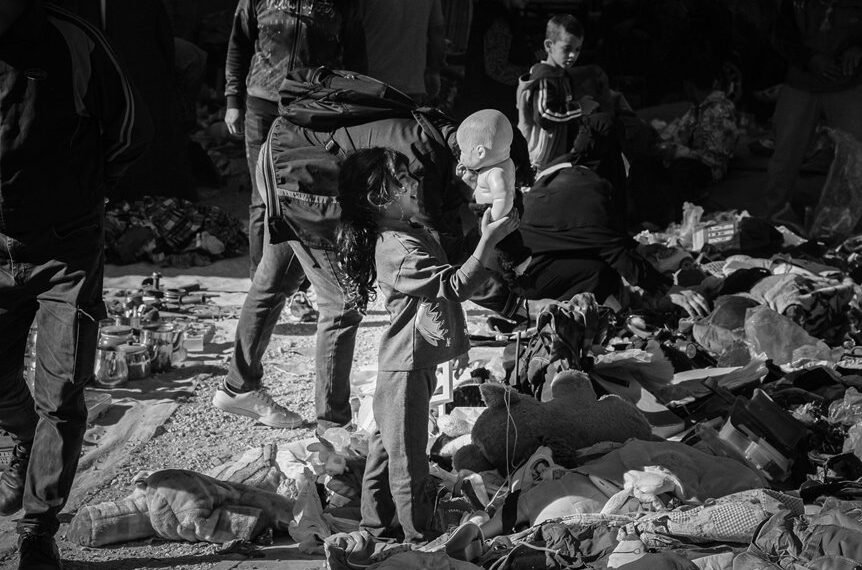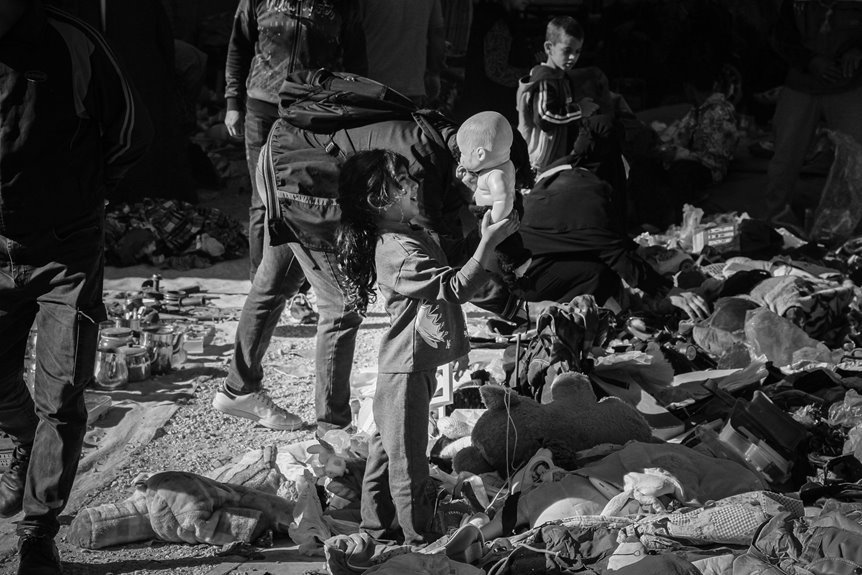
Consider the recent coverage of climate protests in Europe, where diverse voices from affected communities are finally gaining traction in mainstream media. This shift reflects a broader trend in international news, highlighting the demand for inclusive narratives that address pressing global issues. As we explore the implications of these changes, you’ll find that the interconnectedness of economic inequality and resource scarcity is reshaping our understanding of global dynamics. What does this mean for future media representation?
Key Global Events Shaping the Narrative
As global dynamics shift, understanding the key events shaping today’s narrative becomes crucial.
Climate change intensifies, impacting economies and exacerbating economic inequality. Vulnerable populations bear the brunt, facing resource scarcity and displacement.
As you analyze these trends, consider how they influence political discourse and social movements, driving the quest for equitable solutions.
Awareness of these events empowers your engagement in advocating for meaningful change.
Trends in International Media Coverage
The evolving landscape of global events significantly influences trends in international media coverage.
You’re likely noticing an increased emphasis on media representation and coverage diversity. This shift reflects a growing awareness of underrepresented voices and perspectives.
As audiences demand richer narratives, media outlets adapt, striving to provide more inclusive content that resonates with a broader audience, ultimately enhancing the understanding of complex global issues.
Analysis of Geopolitical Implications
While examining the geopolitical implications of recent global events, it’s crucial to recognize how interconnected nations have become.
The quest for geopolitical stability often hinges on evolving global alliances. As countries navigate shifting power dynamics, understanding these relationships can reveal insights into potential conflicts and collaborations.
You’ll find that these alliances play a vital role in shaping the future of international peace and security.
Future Predictions and Emerging Issues
Given the rapid pace of technological advancements and shifting economic landscapes, predicting future global issues requires a keen understanding of emerging trends.
You’ll see that socioeconomic disparities may widen as technology evolves, creating a digital divide. Addressing these challenges will be crucial for fostering global stability.
Conclusion
As you navigate the evolving landscape of international media, remember that the stories we tell shape our understanding of the world. By recognizing the urgency of climate change, confronting economic inequality, and amplifying underrepresented voices, you can contribute to a more inclusive narrative. Embrace the challenge of shifting alliances and advocate for equitable solutions. In doing so, you not only engage with the present but also empower future generations to forge a more just and sustainable global community.