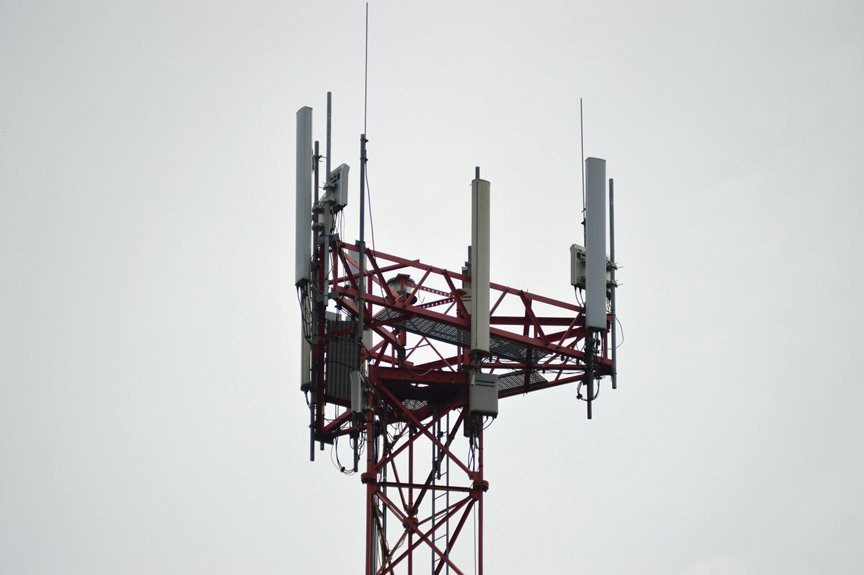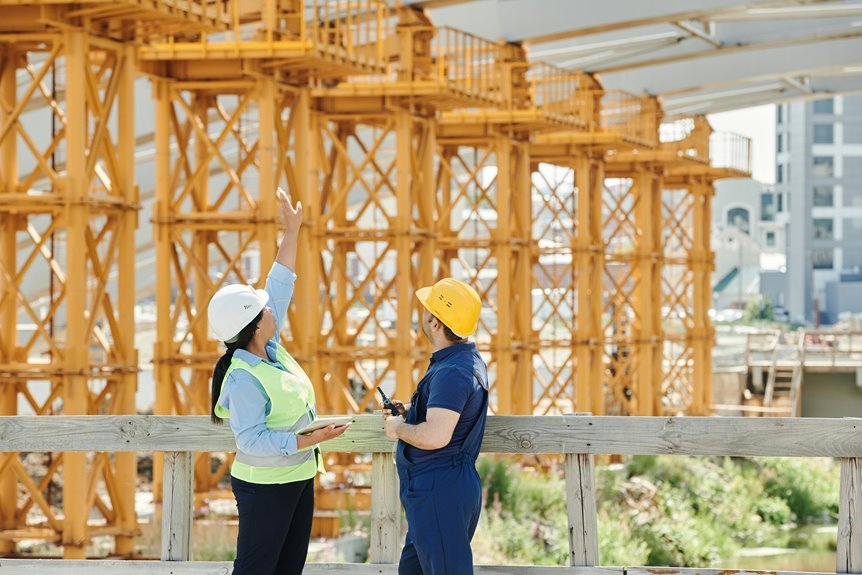
Around 70% of the global population is projected to live in urban areas by 2050, highlighting the urgent need for sustainable infrastructure. This report reveals how integrating smart technologies can bridge gaps between developed and developing regions. It’s crucial to explore how innovative strategies can transform economic growth and enhance quality of life. What are the implications of these advancements for future infrastructure projects?
Key Findings in Global Infrastructure Development
As global economies rebound, it’s clear that infrastructure development is at the forefront of strategic planning.
You’ll find that integrating sustainable materials and smart technologies is crucial for enhancing efficiency and resilience.
Recent studies show that projects emphasizing these elements not only reduce environmental impact but also improve cost-effectiveness.
Embracing these innovations empowers you to foster sustainable growth in infrastructure, promoting autonomy and progress.
Disparities Between Developed and Developing Regions
While many developed regions enjoy advanced infrastructure systems that enhance economic productivity, developing areas often grapple with significant disparities that hinder their growth potential.
Inadequate urban planning and inefficient resource allocation exacerbate these gaps, leading to limited access to essential services.
Addressing these issues is crucial for fostering equitable development, empowering communities, and unlocking their economic capabilities to achieve greater freedom and prosperity.
Innovative Solutions and Strategies for Infrastructure
To tackle the pressing infrastructure challenges faced by both developed and developing regions, innovative solutions and strategies are essential.
Embracing smart cities can optimize resource management, enhancing urban livability. Additionally, utilizing sustainable materials reduces environmental impact while promoting resilience.
Data-driven approaches, like predictive analytics, can streamline project execution and maintenance, ensuring that infrastructure adapts to future demands, ultimately fostering greater freedom for communities.
Impact on Economic Growth and Quality of Life
Investing in infrastructure significantly boosts economic growth and enhances quality of life, particularly as communities become increasingly interconnected.
Sustainable development principles guide urban planning, ensuring efficient resource use and promoting equitable access.
Data shows that improved transportation and utilities generate jobs and foster local businesses, creating vibrant economies.
Ultimately, well-planned infrastructure elevates living standards, empowering individuals and communities toward greater freedom and prosperity.
Conclusion
In conclusion, the “Global Infrastructure Update 6306455860” reveals that investing in infrastructure can yield a staggering $4 trillion in economic growth by 2030. This statistic underscores the crucial role infrastructure plays not just in enhancing quality of life, but also in driving equitable development across regions. By leveraging smart technologies and sustainable materials, we can bridge the gap between developed and developing areas, ensuring everyone benefits from advancements in infrastructure and access to essential services.